note
“I shall reconsider human knowledge by starting from the fact that we can know more than we can tell. This fact seems obvious enough; but it is not easy to say exactly what it means.”
In 1291, all glassmakers who lived in Venice were ordered to move to Murano, a cluster of seven tiny nearby islands. The exile was protective: it kept trade secrets contained and reduced the fire risk to the city’s wooden buildings. For five centuries, Murano’s workshops thrived. Then Napoleon conquered Venice in 1797 and dismantled the guild system. Within a generation, the industry had collapsed. Once that intergenerational chain was broken, the knowledge of how to create Murano glass could not be easily revived.
This kind of knowledge, what the philosopher Michael Polanyi called “tacit,” resists instruction. You can read about riding a bicycle, but you only truly learn by trying (and falling). You can follow a recipe for crème brûlée, but you only learn how the custard should settle—the particular wobble that means done, not the wobble that means wait—by overbaking a few. This is the kind of knowledge that is difficult to describe, easy to recognize, and nearly impossible to fake.
The mechanism for developing tacit knowledge is straightforward but slow: repeated practice that gradually moves skills from conscious effort to automatic execution. The mechanism for transmitting it is even slower: apprenticeship, where a learner works alongside someone experienced, observing and imitating until their own judgment develops. This is why tacit knowledge often concentrates in lineages, unbroken chains of practitioners passing expertise to the next generation.
AI has elevated the distinction between what is tacit and what is not. Language models can summarize and automate, but when they attempt to create something that carries the signature of human craft, the result is often flat. Cedric Chin, a Singaporean analyst and one of the inspirations for this series, describes the process of acquiring tacit knowledge as the process of moving from conscious incompetence, to conscious competence, to, finally, unconscious competence.
The ceiling for LLMs, for now, seems to be conscious competence. They can capture and articulate procedure (or at least the median advice on any particular topic), but not judgment.
An illustrative example: I asked ChatGPT, Claude, and Gemini each to design a fragrance that captures the scent of “jasmine just blooming on the vine on the west coast of California.” Each gave me a tidy list of top, middle, and bottom notes, with varying degrees of specificity and complexity. All featured Jasmine sambac absolute, the widely-accepted best substitute for jasmine on the vine, but none contained anything particularly surprising (I am not a perfumer, but I am a prolific Fragrantica user, and the LLM-generated fragrances all seemed suspiciously like perfumes I’ve smelled before).
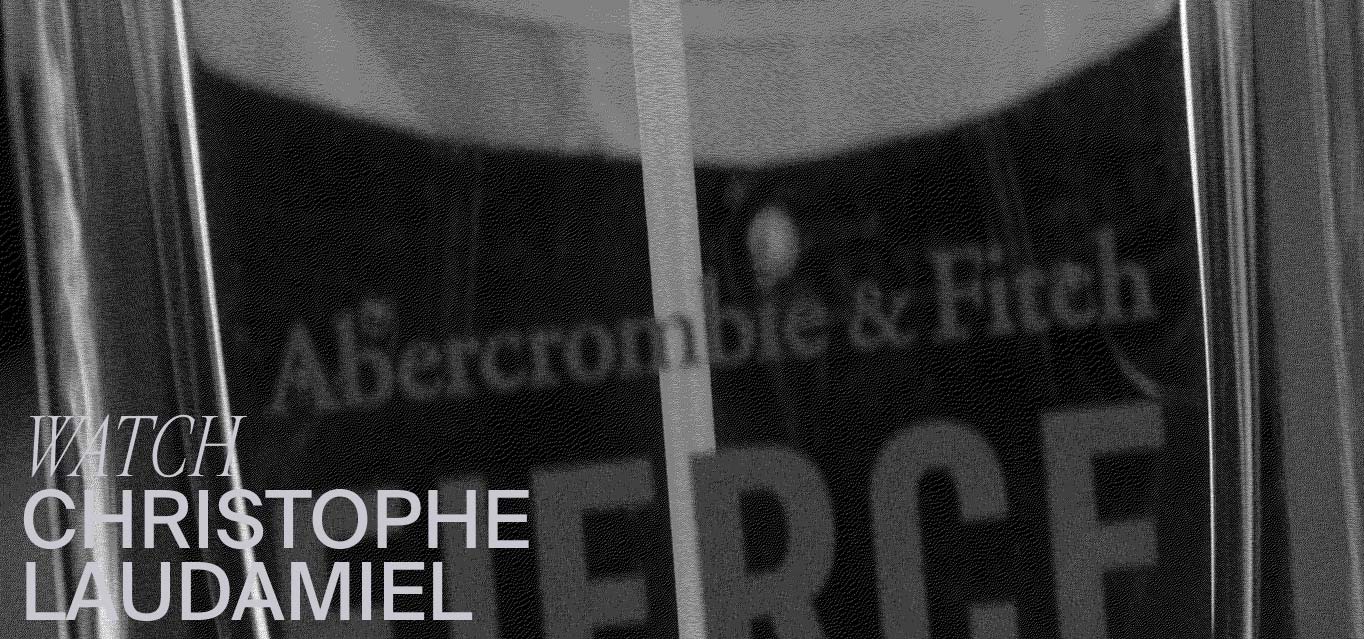
This exercise seems abstract, but it’s paralleled by a real scene from the second episode of Tacit, which features Christophe Laudamiel, master perfumer at Osmo and the creator of fragrances from Polo Blue to Abercrombie Fierce.
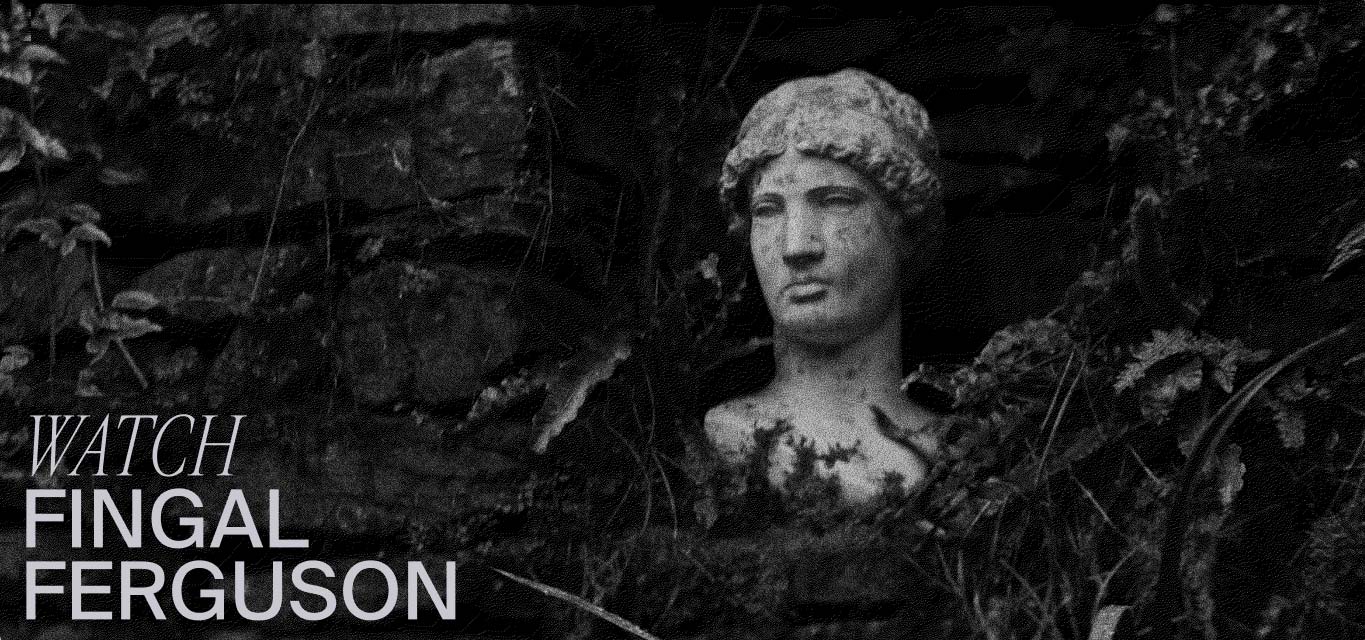
Christophe could explain what he was doing, and sometimes he did. But most of the time he just did it. Fingal Ferguson, the master knifemaker profiled in the first episode of Tacit, noted that muscle memory is a knifemaker’s tool of instinct. It’s a perfumer’s too, and with Christophe it showed up as a mostly-silent sequence. For hours we watched him smell, pause, and write, over and over again.
We made this series for two reasons.
The first is straightforward: nearly everything worth paying attention to was made by someone who cared deeply about their craft. Caring enough to pursue mastery over years is how tacit knowledge develops. We wanted to capture that care in action.
The second is that tacit knowledge is also economically foundational. For years Stripe Press has published books arguing that seemingly marginal improvements compound into the forces that determine whether societies become rich or stay poor. Most recently, The Origins of Efficiency showed that production improvements—the accumulated know-how of companies refining and scaling processes—is what made goods cheaper over time, which is the basic story of economic growth. Our next book, Maintenance: of Everything, makes the same case for the upkeep required to keep the complex systems that we depend on running.
Tacit knowledge and its accumulation (or, alternatively, deterioration) is another seemingly trivial but ultimately important determinant of economic outcomes. When tacit knowledge chains break, entire industries can collapse. The collapse of the British shipbuilding industry in the late 1950s, decline of the Swiss watchmaking industry in the 1970s (until its eventual revival a decade later), and the disappearance of Murano glass until the mid-19th century are all examples of this phenomenon.
Tacit, though, is our attempt to make a serious study of what tacit knowledge looks like at the individual level. It is a series of vignettes of people with deep, earned expertise, captured in the act of working. The things we can formalize—write down, measure, automate—turn out to be a surprisingly small subset of what we know how to do. The rest lives in trained judgment and practiced skill.
This kind of knowledge is difficult to capture on film. But we tried anyway. Our hope is that watching their mastery, even briefly, imperfectly rendered, helps you recognize your own.
Happy viewing,
Tamara Winter, Commissioning Editor, Stripe Press
- The Tacit Dimensionby Michael PolanyiBook
- Personal Knowledgeby Michael PolanyiBook
- Mind over Machineby Hubert DreyfusBook
- The Tacit Knowledge seriesby Cedric Chin (Commoncog)Essays
- The Craftsmanby Richard SennettBook
- Seeing Like a Stateby James C. ScottBook
- After Virtueby Alasdair MacIntyreBook
- The Reflective Practitionerby Donald SchönBook
- Inside the Skyby William LangewiescheBook
- The Table Comes Firstby Adam GopnikBook
- A Discourse on Winning and Losingby John Boyd (edited by Grant T. Hammond)Book
- NASA's Lessons Learned databaseby NASADatabase
- Masters of Doomby David KushnerBook
- The Work of Artby Adam MossBook
- The Learning Curveby Atul GawandeEssay
- John Carmack's plan files (Doom/Quake logs)by John CarmackGithub files
- Jiro Dreams of Sushiby David GelbDocumentary
- Sommby Jason WiseDocumentary
- Haute Coutureby Christian Dior, 1949 (re-released mini-doc)Documentary
- 7 Days Out (the entire series, but I particularly like the Karl Lagerfeld/Haute Couture episode)by Andrew Renzi (Director)Documentary
- Sketches of Frank Gehryby Sydney PollackDocumentary
- A Poem Is a Naked Personby Les Blank, 1974 (Released 2015)Documentary
- Sprout Wings and Flyby Les Blank, 1983Documentary
- Studying with Dwarkesh Patel - ”Introduction to Quantum Mechanics” by Griffithsby Andy MatuschakYouTube Series
- The Mundanity of Excellence: An Ethnographic Report on Stratification and Olympic Swimmersby Daniel F. ChamblissAcademic Paper
- Secrets of Lock Picking (recommendation from David F.)by Steven HamptonBook
- Eater's Mise en Place seriesby EaterYouTube Video
- How proximity matters in interactive learning and innovation: a study of the Venetian glass industryby Dorota Leszczyńskaa,b and Nada KhachloufcAcademic Paper
- Primitive Technologyby John PlantYoutube Series
- Master the Creative Process | Twyla Tharpby Andrew HubermanInterview
- Phantom Threadby Paul Thomas AndersonFilm
- Handsby RTEDocumentary Series (now on Youtube)
- The Making of Prince of Persiaby Jordan MechnerBook
- War Storiesby Ars TechnicaYouTube Series
- The Making of West Side Storyby Christopher SwannDocumentary
- Shouldering Risks: The Culture of Control in the Nuclear Power IndustrybyBook
- Cleared for Takeoff: Memoirs of an Air Traffic ControllerbyBook
- Newjack: Guarding Sing Singby Ted ConoverBook
- How I Animate 3Blue1Brownby Grant SandersonYouTube Video
- Ryuichi Sakamoto: Codaby Stephen Nomura SchibleDocumentary
- The Gleaners and Iby Agnes VardaDocumentary
- Fast, Cheap, & Out of Controlby Errol MorrisDocumentary
- Every Frame a Paintingby Taylor Ramos & Tony ZhouYouTube series
- Houseby Tracy KidderBook
- The Nature of Orderby Christopher AlexanderBook (four volumes)
- Powers of Tenby Eames OfficeDocumentary
- Edge Precisionby PeterYouTube Channel
- Up in the Old Hotelby Joseph MitchellBook
- Cognition in the Wildby Edwin HutchinsBook
- The Breaks of the Gameby David HalberstamBook
- 07 Seconds or Lessby Jack McCallumBook
- Edward Tufte's Notebooks & Sketchesby Edward TufteBlog
- Studio Ghibli Complete Storyboard Collection 13by Hayao Miyazaki; Isao Takahata; Tomomi MochizukiBook
- Small by Small: Becoming a Doctor in 1990s Nigeriaby Ike AnyaBook
- Shop Class as Soulcraftby Matthew B. CrawfordBook
- A Writer's Diaryby Virginia Wolfe (edited by Leonard Wolfe)Book
- The Long Haul: A Trucker's Tales of Life on the Roadby Finn MurphyBook
- Lost Person Behavior: A Search and Rescue Guide on Where to Look - for Land, Air and WaterbyBook
- Applied Scienceby Ben KrasnowYouTube Channel
- Baumgartner Restorationby Julian BaumgartnerYouTube Channel
- Ball Fourby Jim BoultonBook
- Wristwatch Revivalby MarshallYouTube Channel
- Dan Luu's blogby Dan LuuBlog
- Fabien Sanglard's blogby Fabien SanglardBlog
- Absorptionsby Oona RäisänenBlog
- Marc Brooker's blogby Marc BrookerBlog
- Shakespeare Search Postmortemby GoogleBlog
- Minding the Weather: How Expert Forecasters ThinkbyBook
- Singapore National Archives oral history interviews: Urban Planning Projectby Singapore National ArchivesDatabase
- Givewell's Public Board Meetingsby GivewellDigital Archive
- Stripe Head of Design Katie Dill Reviews Startup WebsitesbyYouTube Video
- “A Sense of Where You Are”by John McPheeProfile
- Levels of the Gameby John McPheeBook
- “Secrets of the Magus”by Mark SingerProfile
- “Fifteen Years of the Salto Mortale”by Kenneth TynanProfile
- “Gerhard Steidl Is Making Books an Art Form”by Rebecca MeadProfile
- “The Man Who Knew Too Much”by Marie BrennerProfile
- What is Code?by Paul FordEssay (interactive)
- The New Bill James Historical Baseball Abstractby Bill JamesBook
- PingSkillsby Alois Rosario & Jeff PlumbYouTube Channel
- How I Writeby David PerellYouTube Series
- John Mayer Teaching at Berklee College of Musicby John MayerYouTube Video
- Finishing the Hat: Collected Lyrics (1954-1981) with Attendant Comments, Principles, Heresies, Grudges, Whines and Anecdotesby Stephen SondheimBook
- Bret Victor — Inventing on Principleby Bret VictorYouTube Video